Your cart 0

  • Your cart is empty
Continue Shopping
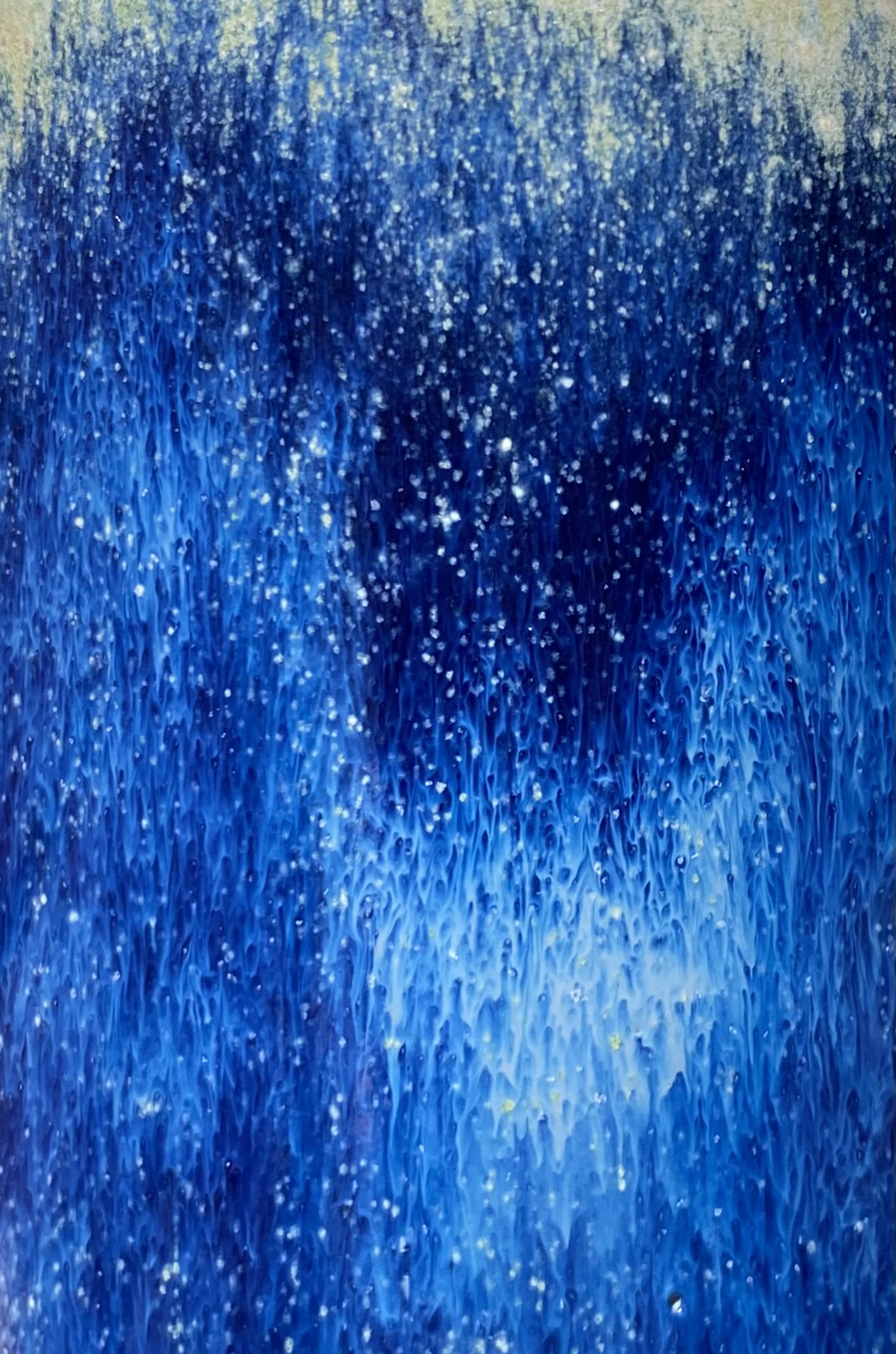
Finding Blue - Glaze Development Journey
December 15, 2025 Ceramics

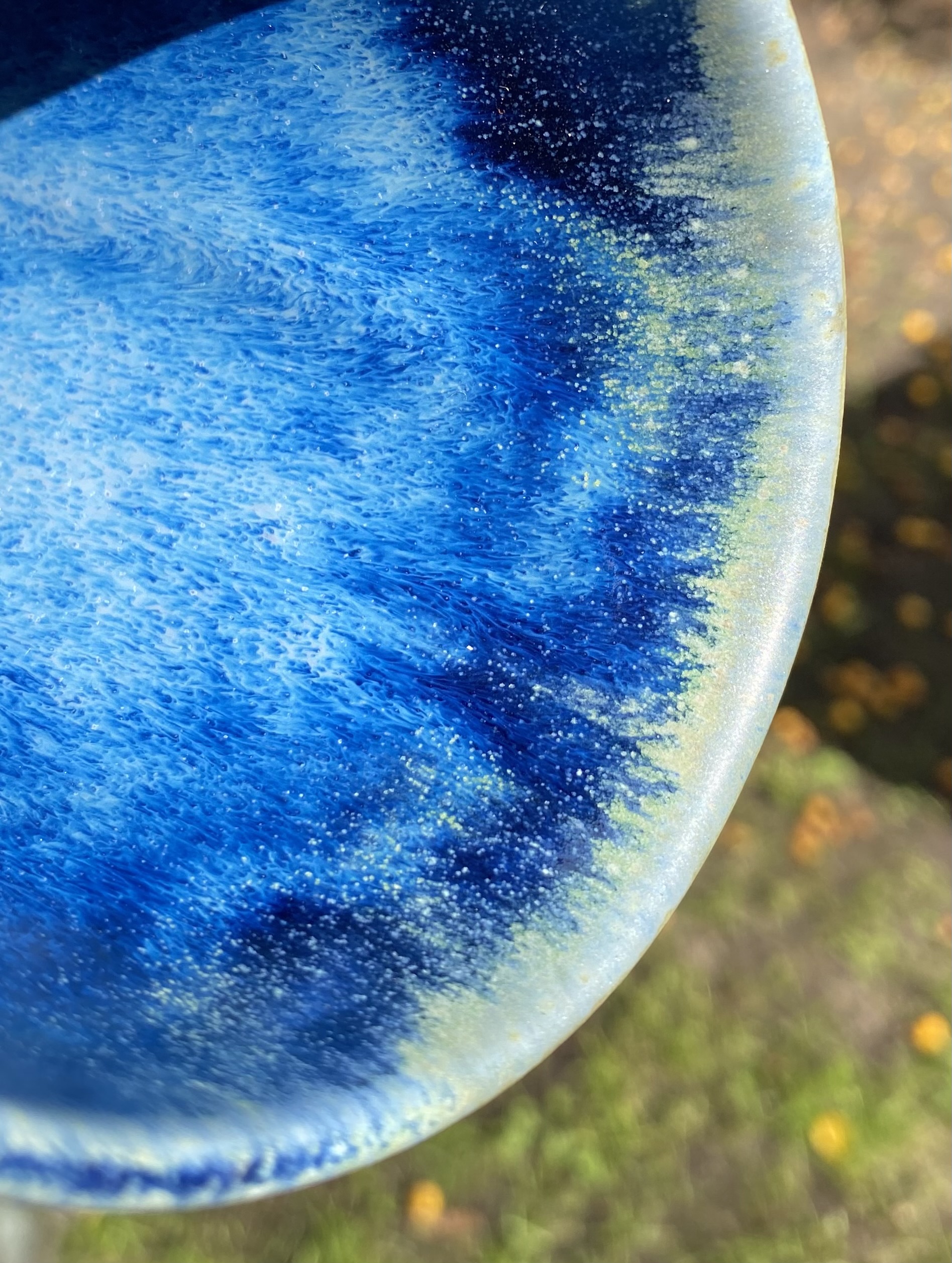
The Long Road to Finding My Blue

Some discoveries come quickly, like a sudden burst of inspiration. Others take years of patient experimentation, countless failures, and the willingness to start over again and again. My signature blue glaze—the one that now graces my most popular ceramic pieces—belongs firmly in the second category.

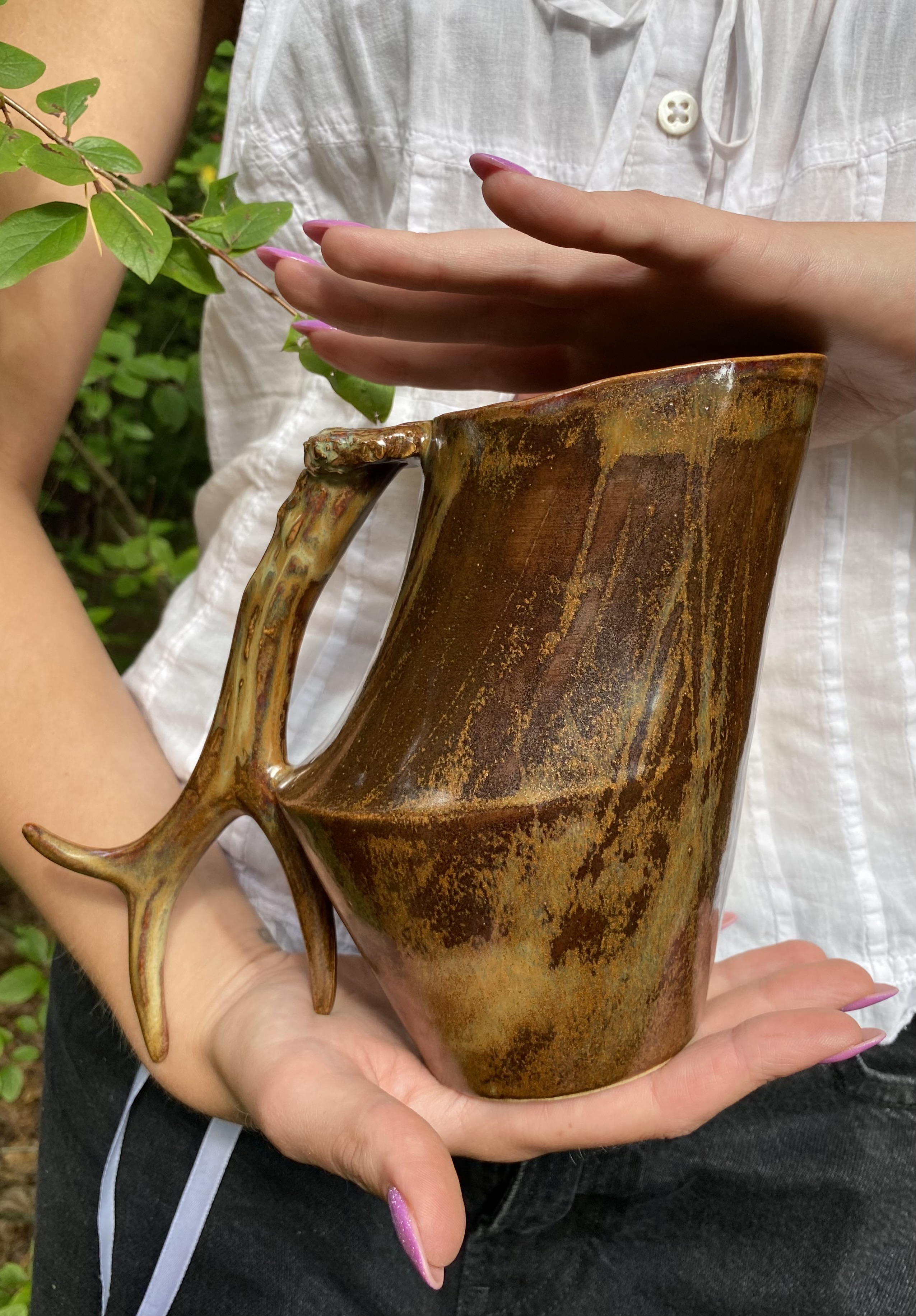
The journey began three years ago, when I visited the coast of Cantabria during a particularly grey November. The sea that day was the most extraordinary color—not quite blue, not quite green, with depths that seemed to change with every shift of light. I knew immediately that I wanted to capture that color in glaze, but I had no idea how difficult that would prove to be.

"Every failure taught me something. Each kiln opening was either a disappointment or a lesson—sometimes both."

Glaze chemistry is a humbling pursuit. You can follow recipes precisely and still end up with something completely unexpected. The clay body, the firing temperature, even the humidity on the day you apply the glaze—all of these variables can transform your results. I filled three notebooks with glaze tests, mixing cobalt and copper oxides in different proportions, adjusting flux levels, trying different firing schedules.

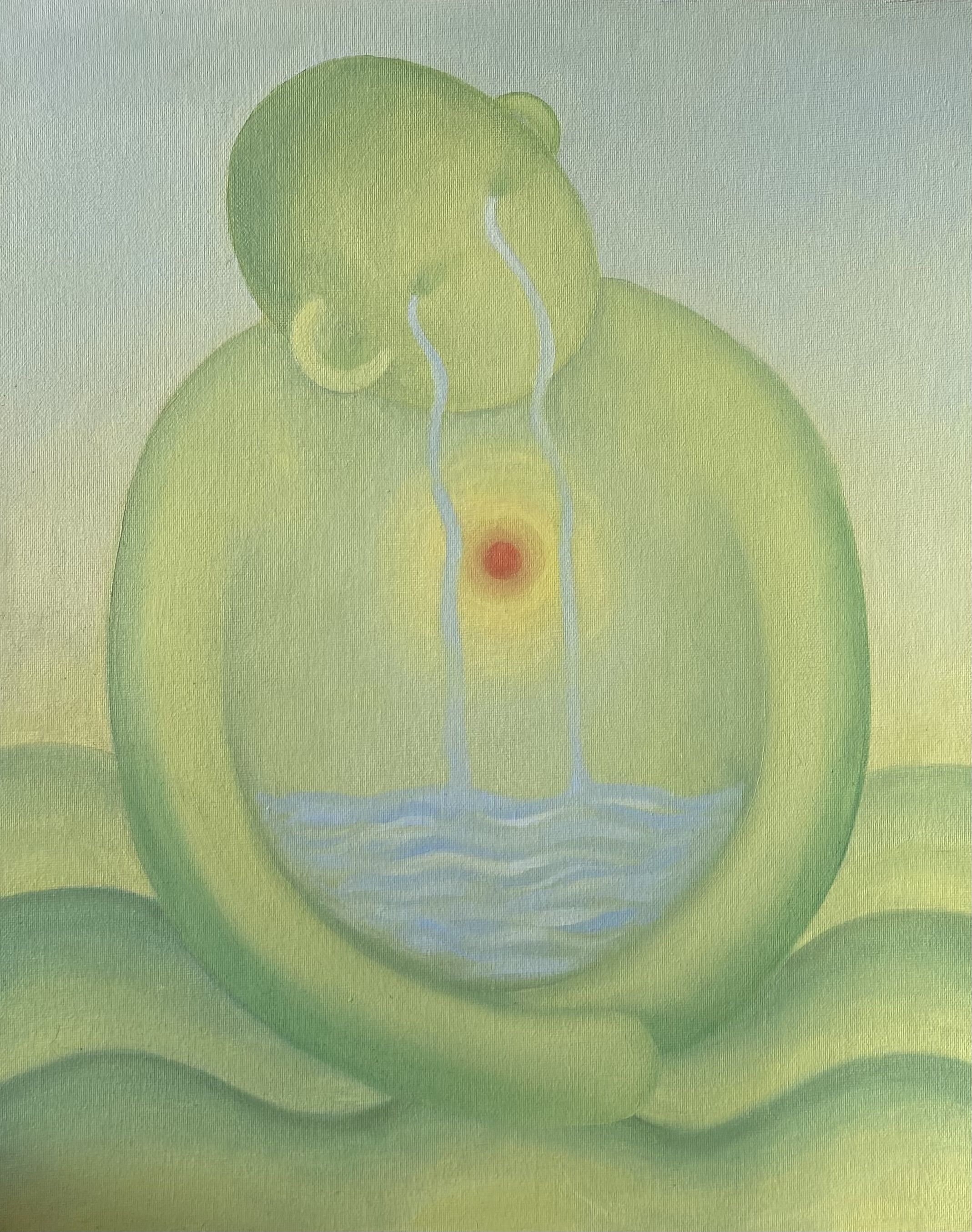
The breakthrough came unexpectedly, as breakthroughs often do. I had mixed a test batch using a slightly different clay body, and when I opened the kiln, there it was—that elusive color from the Cantabrian coast, somehow captured in ceramic. I actually cried. Three years of work, hundreds of failed tests, and finally the sea was there in my hands.

Now, every time I apply that glaze, I think of that grey November day and the long road that led from inspiration to realization. The journey, I've come to understand, is as valuable as the destination.

Read More
Why I Paint Ordinary Things
November 28, 2025 Paintings

Why I Paint Ordinary Things

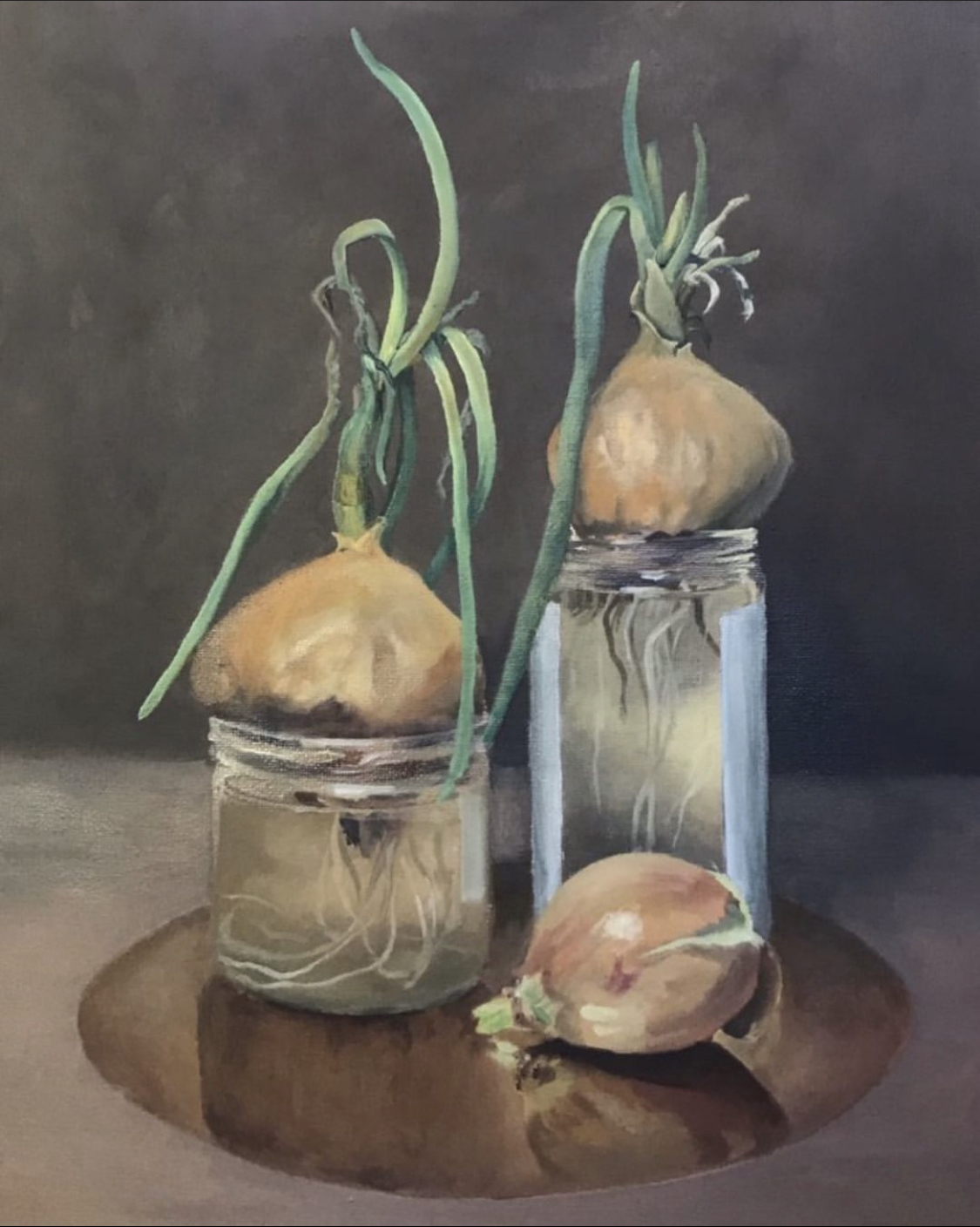
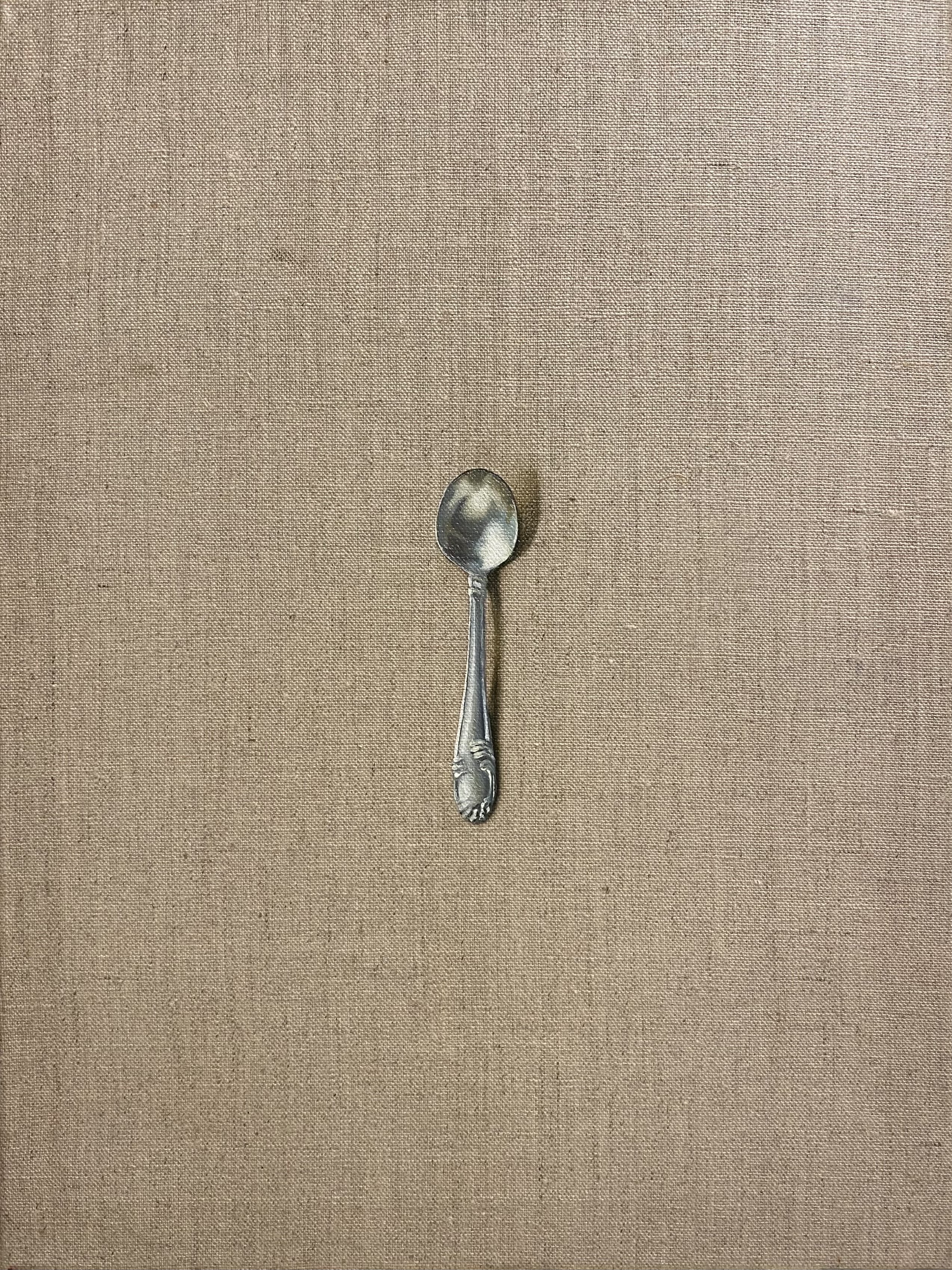
"Why do you paint spoons and onions?" It's a question I get asked often, usually with a note of polite confusion. In a world of dramatic subjects and bold statements, my choice to paint humble kitchen objects might seem almost perversely understated. But there's a reason I keep returning to these quiet subjects.

The tradition of still life painting stretches back centuries, and for good reason. When you paint an onion, you're not just painting a vegetable—you're capturing light, texture, the subtle gradations of color that most people never notice. You're asking the viewer to slow down, to really look at something they've seen a thousand times but never truly seen.

"The extraordinary hides within the ordinary, waiting patiently for us to notice."

There's also something deeply meditative about the process. Setting up a still life takes time—finding the right objects, arranging them, waiting for the light. Then the painting itself unfolds slowly, brush stroke by brush stroke. In our age of constant stimulation, this slowness feels almost radical.

Each painting in my kitchen series started with a moment of noticing. The way morning light caught a spoon left on the counter. How a pile of onions from the market arranged themselves in the bowl. These moments of unexpected beauty are everywhere, if we take the time to see them.

My hope is that when someone hangs one of these paintings in their home, it becomes a gentle reminder to pay attention—to find the extraordinary in their own ordinary moments.

Read More
A Day in the Studio
October 20, 2025 Studio Life

A Day in the Studio: What Making Really Looks Like

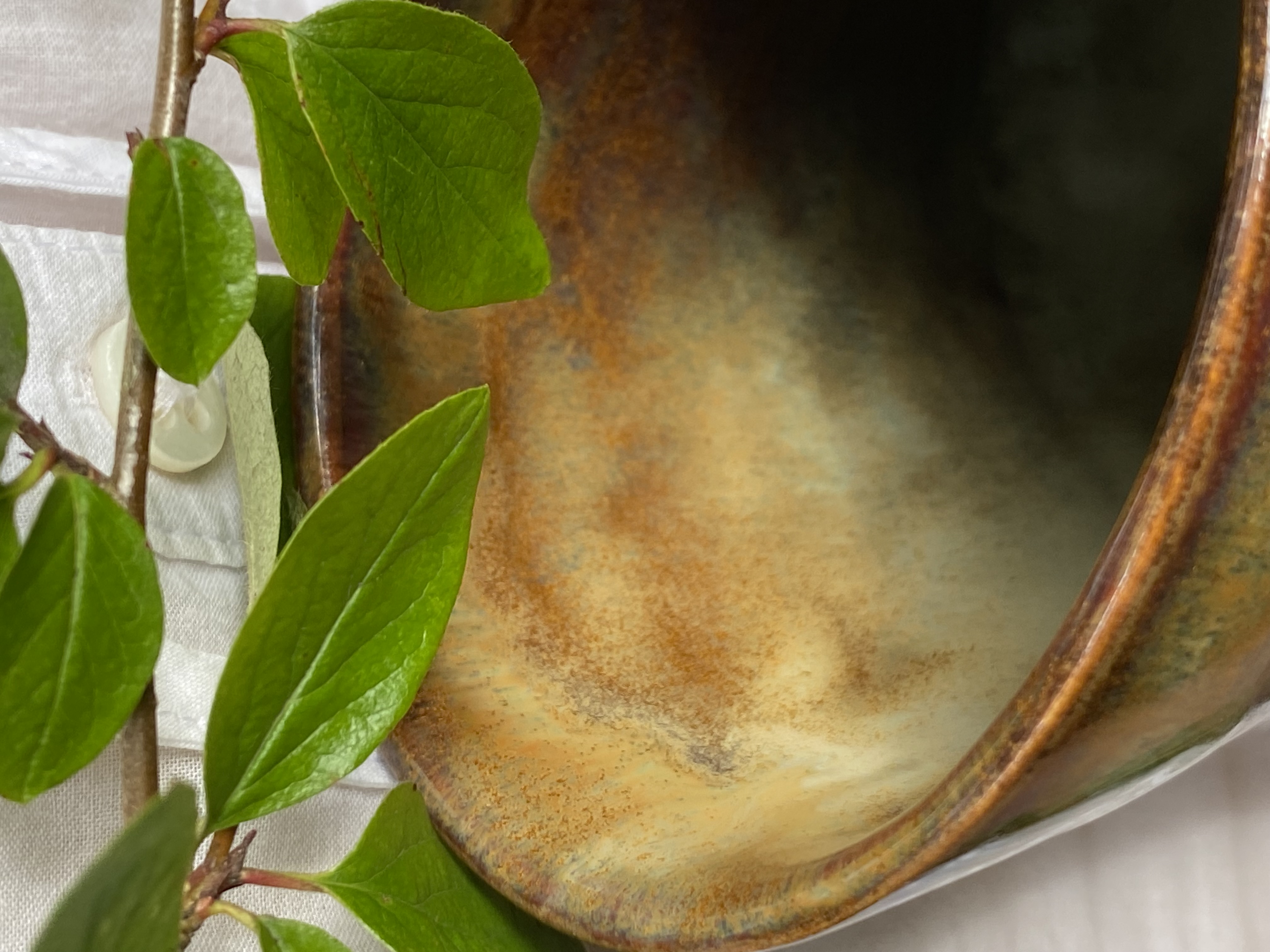
People often imagine artists' studios as romantic spaces filled with inspiring chaos and dramatic moments of creation. The reality, at least in my experience, is both more mundane and more magical than that fantasy suggests.

My day typically begins at 7 AM, when the light in the studio is soft and the world outside is still quiet. I make coffee, put on music (lately it's been a lot of Japanese ambient), and spend the first half hour just being present in the space. This ritual helps me transition from the everyday world into the focused headspace that making requires.

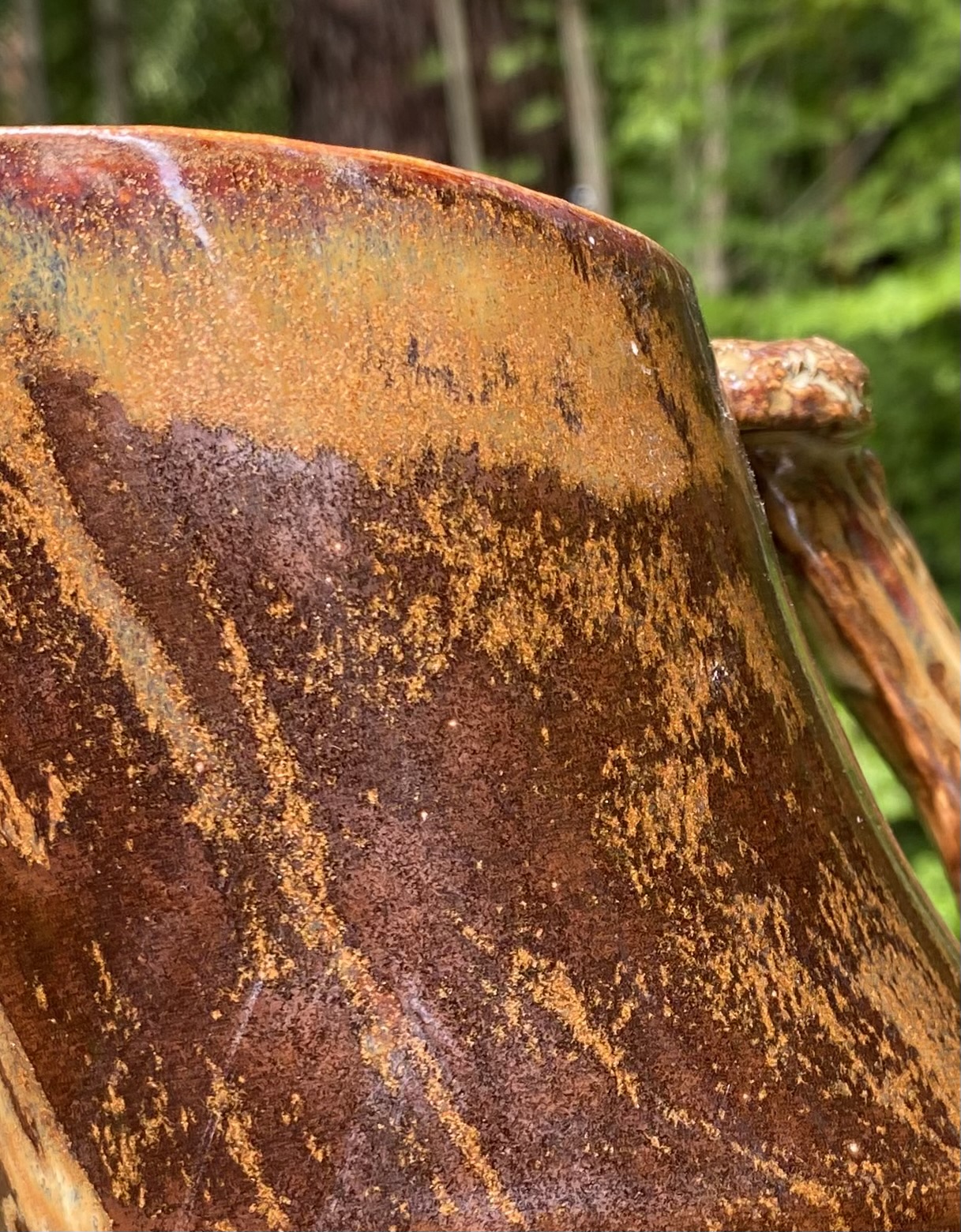
The work itself is often repetitive. Wedging clay to remove air bubbles. Centering on the wheel again and again until the form emerges. Waiting for pieces to dry to the right stage for trimming. Most of what I do isn't the dramatic moment of creation—it's the patient preparation that makes those moments possible.

"The studio isn't just where I make things—it's where I make sense of things."

There are failures almost every day. Pieces that collapse on the wheel, glazes that don't turn out as expected, paintings that need to be scraped back and started over. Learning to accept these failures as part of the process—rather than personal failings—has been one of the most important lessons of my artistic life.

By evening, my hands are tired but my mind is clear. There's something deeply satisfying about ending the day with tangible evidence of your work—pots drying on shelves, a canvas with one more layer completed. This, more than anything, is why I make: for the quiet satisfaction of creation, repeated day after day.

Read More